Dance in the Daylight: Joyful Gatherings Without the Hangover
We’re celebrating alcohol-free daytime dance socials as vibrant alternatives to nightlife, where sunlight, music, and community create energy without pressure to drink. Expect clear minds, genuine conversation, and movement that lifts spirits while still leaving the evening free for rest, family, and hobbies. We’ll share practical planning tips, inclusive culture cues, heartfelt stories from the floor, and ways you can get involved. Lace up comfortable shoes, fill your water bottle, and step into bright rhythms that welcome every body, every age, and every mood.
Why Daylight Dancing Feels Different

Rhythms Aligned With the Sun
Dancing when the sun is up often matches the body’s natural energy patterns, helping you feel present instead of depleted. Bright spaces boost mood, and moving earlier can make the whole day feel purposeful. Without late-night fatigue or heavy drinks, people notice the music’s nuance, connect more easily, and remember names and moments. This alignment supports consistent attendance, kinder interactions, and a culture where joy is sharpened by clarity rather than blurred by overstimulation.
Energy From Movement, Not Drinks
When the music drops in a room fueled by breath and hydration, the energy feels cleaner and more resilient. You warm up gradually, find your groove, and build natural momentum that lasts beyond the event. No hangovers, no second-guessing, just endorphins and steady confidence. Many dancers say they leave more inspired to create, cook, parent, or study, noticing how their focus and sleep improve. The payoff is sustainable pleasure rooted in embodiment instead of intoxication.
Connection That Outlives the Last Track
Daytime socials tend to encourage conversation before and after sets, because people are less rushed and more grounded. Participants swap playlists, plan hikes, organize potlucks, or simply make time for coffee. Without club noise or bar lines, connections grow intentional and kind. New friendships form across ages, backgrounds, and skill levels, anchored by the shared joy of movement. These relationships extend into daily life, strengthening local networks and inspiring ongoing acts of support, collaboration, and creativity.
How to Plan a Thriving Daytime Social
{{SECTION_SUBTITLE}}
Choosing the Right Space
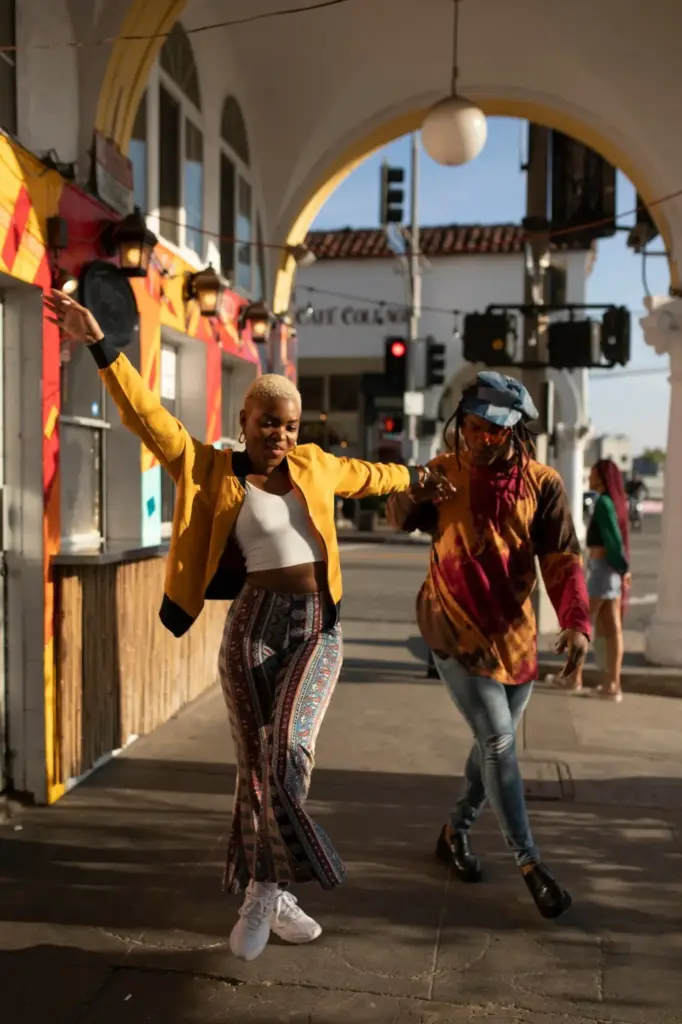
Look for natural light, good ventilation, and floors that are kind to knees and ankles. Proximity to public transit helps early arrivals and families. Provide places to stash strollers, mobility aids, and backpacks without stress. Bathrooms should be clean, inclusive, and clearly marked. Consider how sound travels, where neighbors live, and how sunlight moves through the room. A welcoming entrance, friendly check-in, and clear flow from dance area to rest zone shape first impressions and support a calm, confident start.
Sound That Loves the Neighborhood
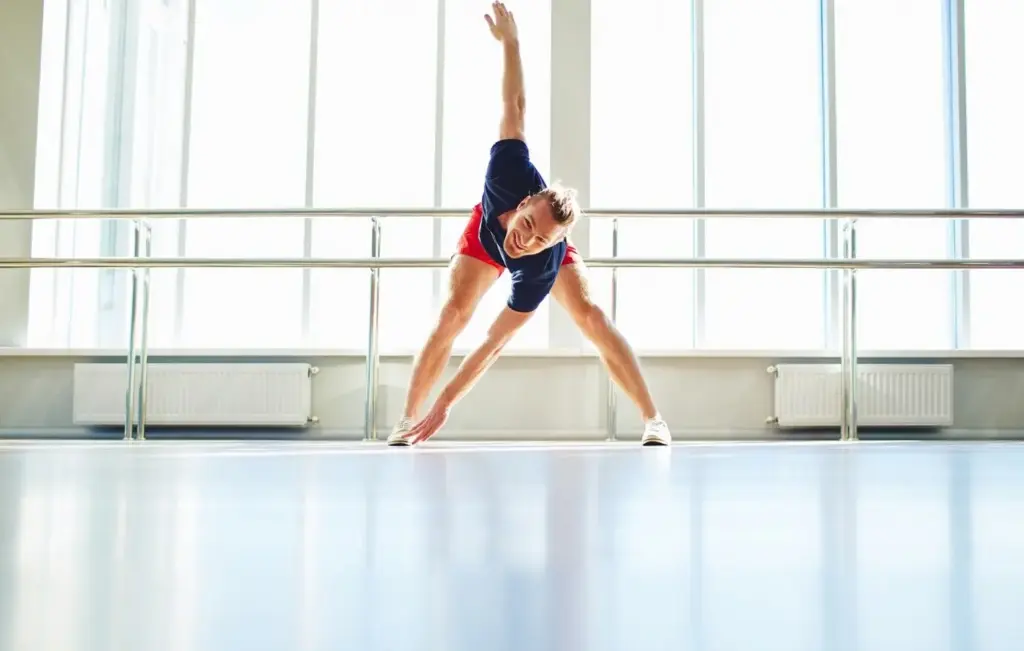
Balanced audio matters more than volume, especially during the day. Work with DJs and engineers who understand clarity at lower levels, preserving bass while protecting conversation. Point speakers inward, monitor decibels, and share event times with nearby residents. Encourage dancers to feel the groove through movement, not sheer loudness. Provide a quiet corner for reset and ear protection for sensitive guests. Good sound design respects your community, your venue, and the long-term trust that keeps daytime gatherings thriving and welcome.


Inclusivity, Care, and Culture
A strong culture doesn’t appear by accident; it emerges from shared agreements, visible support, and consistent modeling. Post house guidelines at the door, mention them briefly on the mic, and train volunteers to help with warmth. Normalize asking for consent before partnered movement. Provide seating, shade, and temperature flexibility. Offer sliding-scale pricing and family tickets. Use language that respects pronouns and identities. Careful culture-building turns bright rooms into trustworthy commons where every person can relax, explore, and fully belong.

Curating Uplifting Daytime Sets
Build a journey that breathes: steady tempos, warm bass, and melodic elements that welcome different ages. Reserve heavier drops for peak moments and return gently to playful textures. Let silence or a field recording reset the room between moods. Invite local DJs to share cultural roots and new discoveries. Make space for requests and shout-outs that build collective ownership. The result is a living mixtape shaped by sunlight, neighborhood flavor, and the simple magic of shared movement.

Dance Styles That Bloom in Bright Rooms
In daylight, open-floor styles like house dance, waacking, and freestyle flourish because people can see each other and feel safer experimenting. Gentle partner dances—like daytime salsa or blues—benefit from clearer consent and calmer pacing. Community facilitators can demonstrate simple patterns without pressure, inviting creative play over perfection. With everyone awake and hydrated, timing and connection sharpen. Laughter becomes the metronome, and a few playful mistakes turn into joyful riffs that belong to the whole room.
Warmups, Breath, and Gentle Landings
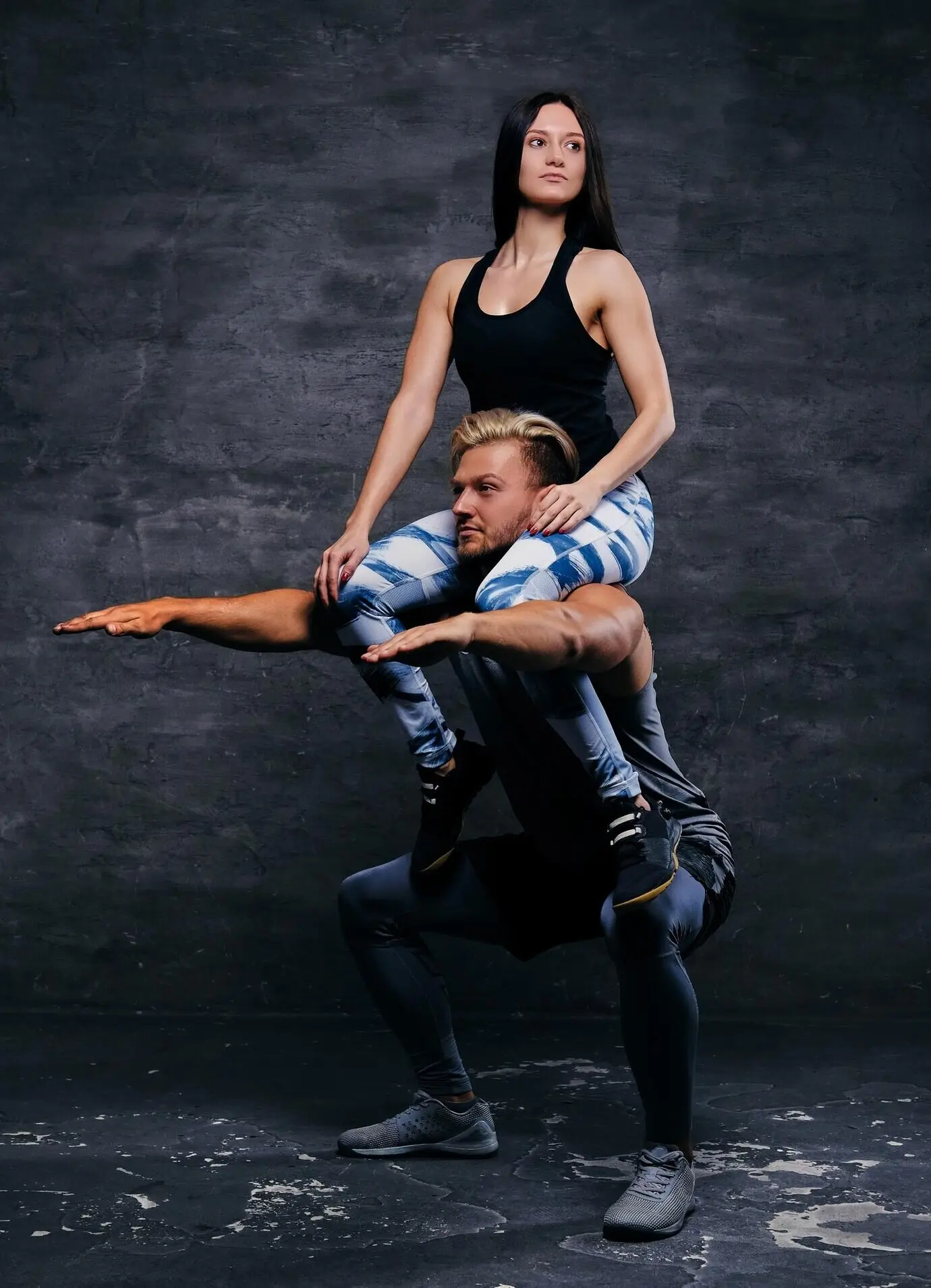
Start with breath and joint mobility to cue safety, then add rhythmic footwork to spark heat. Between peaks, invite micro-stretches and hydration breaks. Close with a cooldown track, collective exhale, and gratitude cadence—perhaps a moment to share one word about how people feel. These rituals knit strangers together, reduce injury risk, and mark transitions clearly. A good landing leaves bodies refreshed, minds quiet, and the rest of the day wide open for creative follow-through.
Wellness, Safety, and Practicalities
Bright gatherings thrive on care. Stock water and citrus, label ingredients on snacks, and design rest areas with shade or soft light. Provide earplugs, first-aid basics, and a clearly introduced safety team. Share transport options and bike parking. Use reusable cups and compost when possible. Consider scent-aware guidelines to support sensitive guests. When the little details are handled with love, people relax, move more confidently, and trust the container that holds both individual expression and community responsibility.
Hydration, Snacks, and Rest Zones
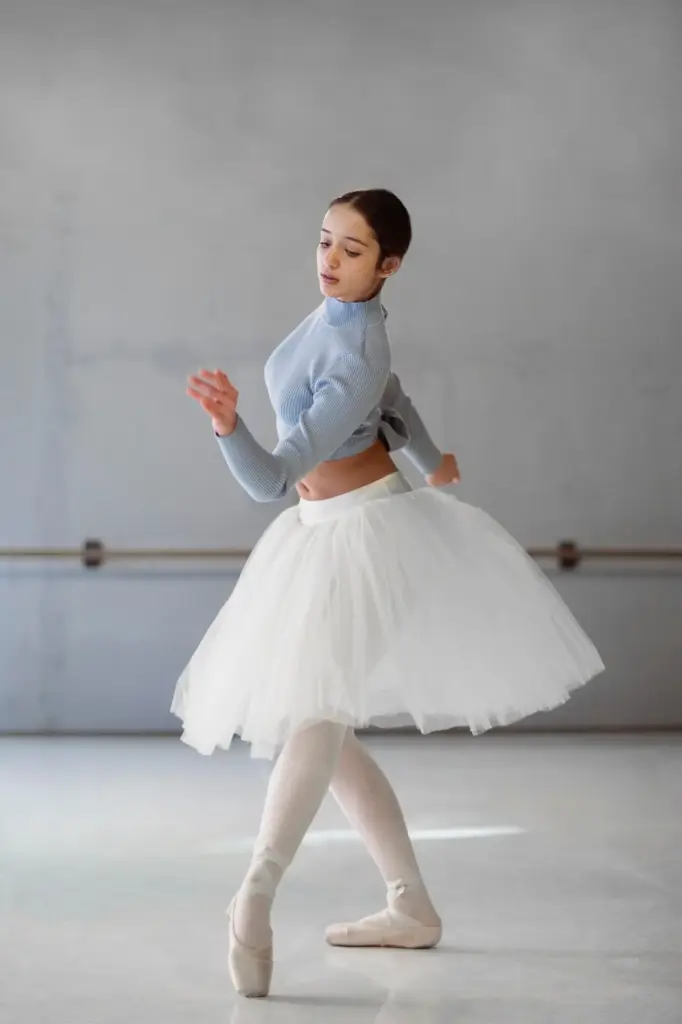
Set up hydration stations with water, electrolytes, and unsweetened options. Offer fruit, nuts, and simple carbohydrates to stabilize energy. Keep a calm lounge with mats or chairs away from speakers. Provide signage encouraging breaks and mindful pacing. Remind participants that stepping out is part of the dance. These choices sustain stamina, prevent headaches, and help parents, students, and workers reenter their day feeling nourished. Careful pacing and easy access to rest reduce overwhelm and deepen the collective groove.
Safety Team and Community Agreements
Introduce your safety crew by name at the start, and post how to reach them. Keep a quiet room available. Train volunteers to notice harmful dynamics, offer support, and log incidents respectfully. Reiterate agreements around consent, filming, and respect for personal space. Provide a non-escalation protocol and clear follow-up steps. When people know there’s a steady backbone of care, they take more creative risks on the floor while trusting the container to hold brave, compassionate interactions.
Stories, Impact, and Next Steps
Lena arrived after school drop-off, nervous about moving in public. A facilitator invited a five-minute warmup, and she found herself swaying, then laughing, then fully dancing. After cooldown, she swapped recipes with a neighbor and scheduled a walk. That afternoon, work felt lighter. Nightfall came without anxiety. One morning didn’t fix everything, but it shifted her week—proof that small, sober joy can ripple through calendars, friendships, and even bedtime routines with quiet, remarkable steadiness.
Hosts report that greeting guests by name changes the whole room. Short mic cues—consent, water, stretch—keep vibes bright. Neighbors appreciate a quick flyer about hours and parking. Rotating DJs expands community flavor, while predictable schedules help families plan. Mistakes happen: a too-loud sub, a confusing line. Transparent apologies and adjustments build trust. Over time, the event becomes less a spectacle and more a practice—reliable, nourishing, and shaped by the people who consistently show up.
Tell us your favorite daytime track, a movement that resets your mood, or a venue bathed in morning light. Comment with ideas, bring a friend, or volunteer at check-in. Subscribe for playlists, gentle prompts, and community stories. Host a pop-up in your neighborhood, then share what worked. Your feedback shapes future gatherings, keeps them accessible, and ensures the dance belongs to everyone who steps in with curiosity, kindness, and a willingness to move.
All Rights Reserved.